In modern software engineering, developers are eager to integrate generative AI tools into their daily workflows. The ability to generate complex boilerplate, refactor legacy logic, and automate repetitive tasks in minutes has fundamentally shifted expectations around developer velocity. However, inside large enterprises—such as commercial banks, healthcare networks, financial institutions, and global FMCG corporations—this excitement collides directly with stringent corporate information security (InfoSec) policies.
Chief Information Security Officers (CISOs) and IT governance teams face a daunting mandate: protect proprietary source code, prevent customer data leaks, and maintain strict regulatory compliance under frameworks like GDPR, SOC 2, and HIPAA. As a result, developers often find themselves restricted by strict corporate firewalls, blocked API endpoints, and heavy Data Loss Prevention (DLP) tools. The central challenge facing modern organizations is clear: how can companies build a safe, secure, and collaborative AI workspace that grants developers creative freedom without compromising enterprise security?
🔒 The Enterprise Friction: Developer Excitement vs. InfoSec Boundaries
The tension between software development teams and security departments is not new, but generative AI has amplified the friction significantly. Developers know that offloading mundane execution tasks to AI models drastically reduces delivery timelines. Yet, pasting internal codebase snippets, proprietary database schemas, or customer API keys into public or unvetted commercial AI models poses severe risk.
Consider a real-world enterprise scenario: a engineering team at a financial institution is tasked with updating 200 microservices to handle a new data compliance standard. Manually updating input validation logic across every service requires weeks of painstaking, error-prone effort. With an AI assistant, the initial refactoring scripts could be generated in under thirty minutes.
However, if the developer uses an unauthorized external AI service over a personal network or bypassed proxy, they risk exposing internal system architecture to third-party model providers. If the company responds by completely blocking all AI domains at the network level, developer productivity stalls, leading to frustration and hidden "shadow AI" usage. Organizations must move past all-or-nothing bans and focus on architecting secure, enterprise-grade AI dev environments.
🛠️ Problem-Solving in Action: Resolving Repetitive Execution Bottlenecks
To understand the true value of a secure enterprise AI environment, we must analyze how structured problem-solving changes when developers have access to safe, internal AI tools. The goal is to eliminate repetitive cognitive load while applying human engineering skills to critical edge cases.
Real-World Engineering Example: Legacy Data Schema Migration
The Challenge: A developer at a large retail organization needs to transform a legacy monolithic SQL database schema containing over 150 tables into modern, strongly-typed TypeScript interfaces and GraphQL resolvers for a new micro-frontend application.
The Traditional Approach: An engineer manually reviews table definitions line-by-line, writing matching interface definitions and resolver functions. This process takes approximately 40 hours of manual labor and introduces human errors such as mismatched data types, missing null checks, and inconsistent naming conventions.
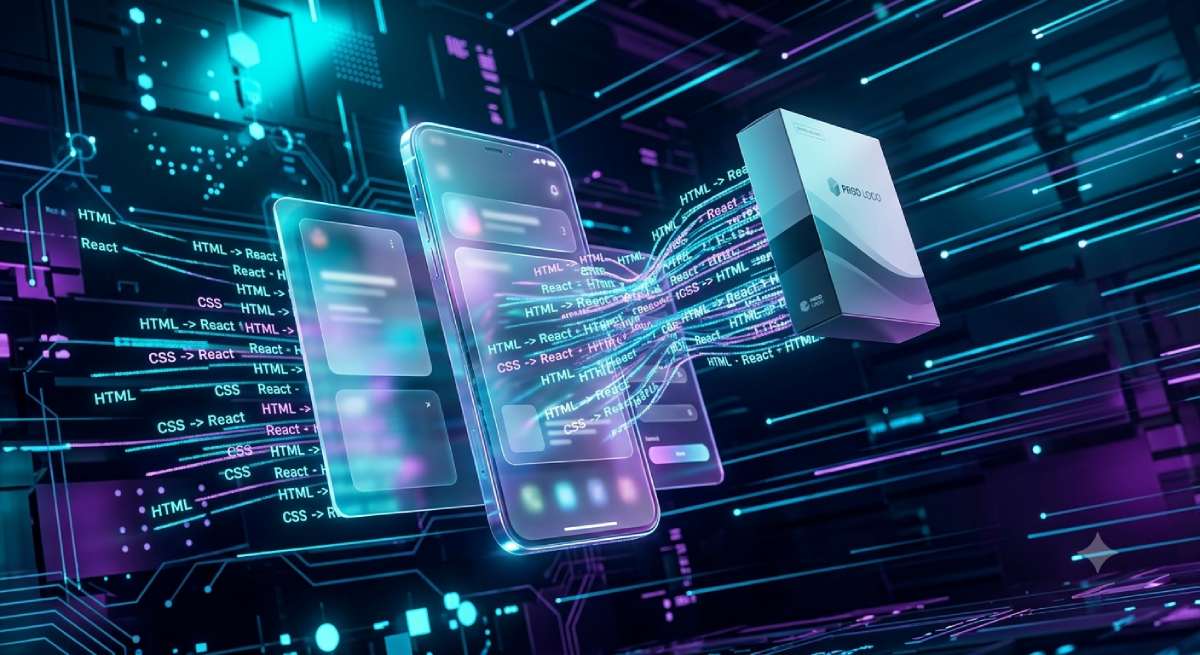
The Secure AI-Driven Approach: Working inside an isolated, enterprise-sanctioned AI workspace, the developer feeds the raw table DDL (Data Definition Language) files to a sandboxed internal AI assistant. Using a pre-approved system prompt that enforces company coding standards, the AI generates 90% of the TypeScript interfaces and GraphQL schemas in under ten minutes.
The Human Problem-Solving Role: Freed from routine syntax generation, the developer focuses their expertise on complex, high-value engineering challenges: verifying database index efficiency, designing secure authorization middleware, handling asynchronous state management, and running regression tests. The overall project completion time drops from one full week to less than a single day, with zero risk of proprietary data leaving the corporate perimeter.
🏢 Enterprise-Grade AI Workspaces: How Vendors Provide Safe Environments
Recognizing the massive market demand for secure development environments, major enterprise cloud vendors—including Microsoft Azure OpenAI, Amazon Bedrock, Google Cloud Vertex AI, and GitHub Copilot Enterprise—have built specialized deployment models tailored for heavily regulated industries.
These enterprise solutions eliminate security bottlenecks through several foundational architecture layers:
- Zero Data Retention (ZDR) & Training Opt-Outs: Enterprise agreements legally guarantee that enterprise prompts, code snippets, and generated outputs are never stored permanently or used to train public foundational models.
- Private Virtual Network Peering: AI endpoints operate within the company's private cloud perimeter (VPC) via secure private links, ensuring that data traffic never traverses the public internet or bypasses corporate firewalls.
- Role-Based Access Control (RBAC) & Single Sign-On (SSO): Access to AI models is governed by existing Identity and Access Management (IAM) policies. Organizations can control exactly which developer tiers, teams, or departments have permission to invoke specific models.
- Code Provenance and Vulnerability Scanning: Built-in security filters automatically scan AI-generated code snippets for known public open-source licenses, security vulnerabilities, and hardcoded credentials before the code reaches the developer's IDE.
🤝 Team Collaboration: Shared Context and Governance Across Dev Teams
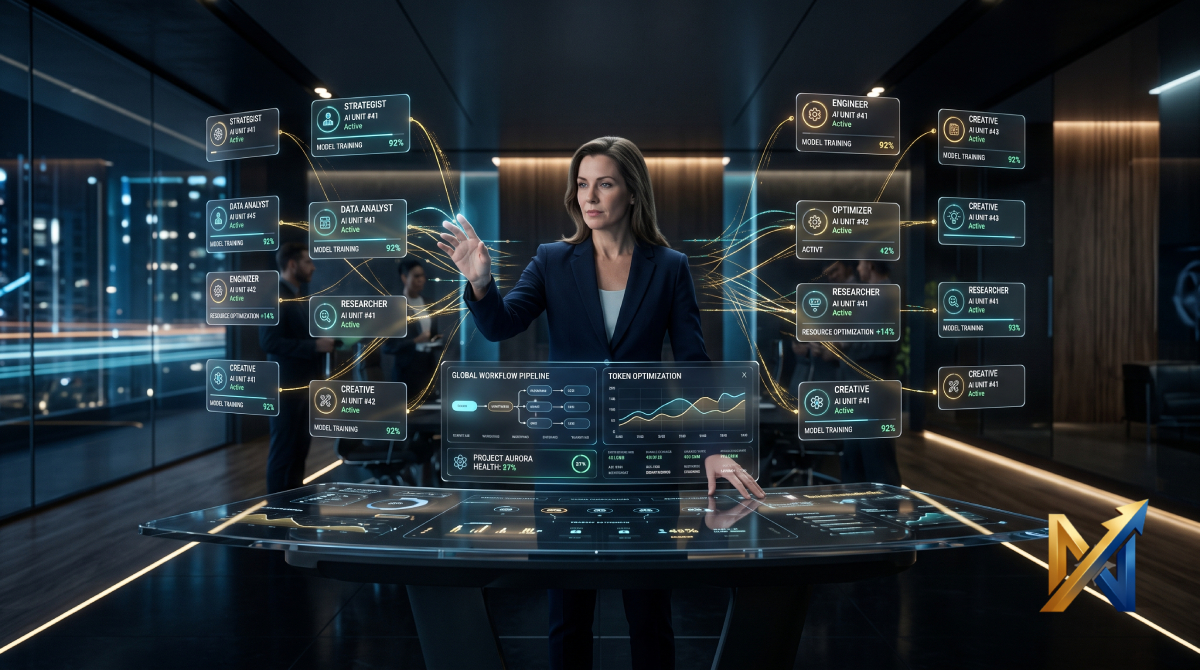
A truly effective enterprise AI dev workspace goes beyond granting individual model access; it enables secure knowledge sharing across the entire engineering organization. When multiple development teams work on interconnected platforms, sharing validated AI prompts, contextual documentation, and custom system instructions ensures consistency across all software deliverables.
Modern enterprise AI platforms allow organizations to index internal codebases, private SDK documentation, and architectural blueprints into dedicated Retrieval-Augmented Generation (RAG) pipelines. When a developer asks the internal AI tool how to authenticate an internal API endpoint, the model references the company’s actual, secure internal documentation rather than hallucinating generic public methods.
Furthermore, lead architects can establish shared prompt libraries that embody corporate best practices for logging, error handling, unit testing, and memory management. This shared context helps junior engineers learn company standards faster while ensuring that every team member produces code that passes internal CI/CD security checks on the first attempt.
⚡ The Business Payoff: Rapid, Error-Free, and Compliant Delivery
Building a secure enterprise AI workspace requires initial investment in cloud infrastructure, governance policies, and vendor management. However, the operational return on investment is immediate and substantial.
When enterprise developers are provided with safe, approved AI tools inside their native workspaces, software delivery cycles accelerate dramatically. Repetitive tasks that once consumed days are executed in minutes, allowing engineering talent to focus on innovation, system design, and customer experience. Concurrently, CISOs and compliance teams maintain complete visibility through centralized audit logs, automated compliance guardrails, and data loss protection.
The future of enterprise software engineering is not about choosing between strict security and rapid AI adoption. The organizations that lead their industries in 2026 and beyond will be those that successfully bridge the gap—equipping their developers with powerful, enterprise-sanctioned AI workspaces that deliver high-quality, error-free, and fully secure software at scale.