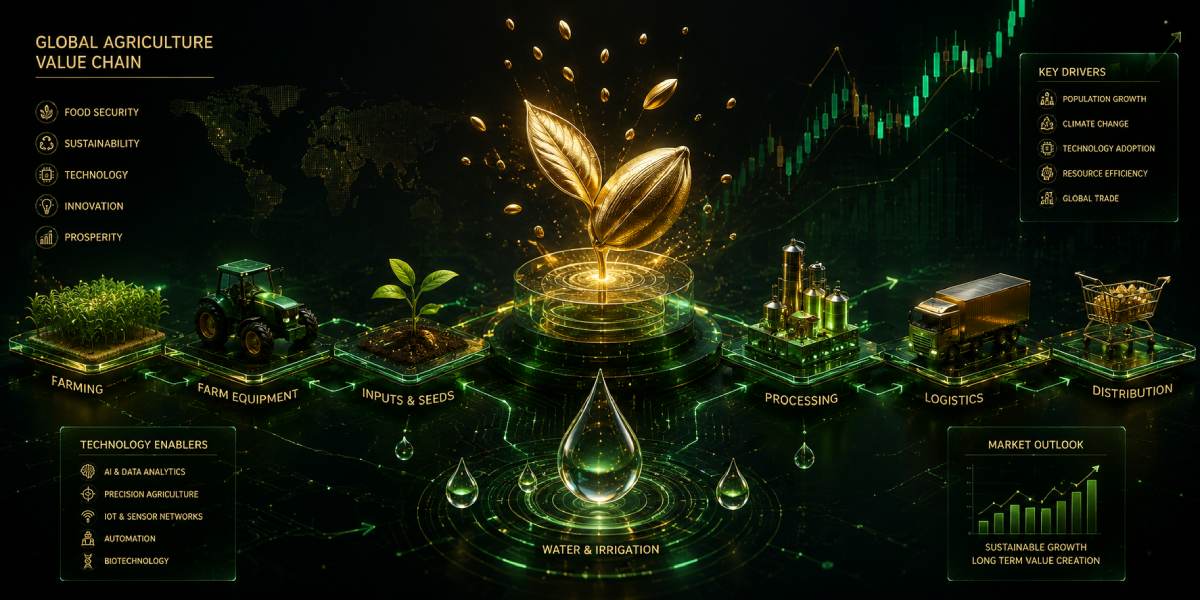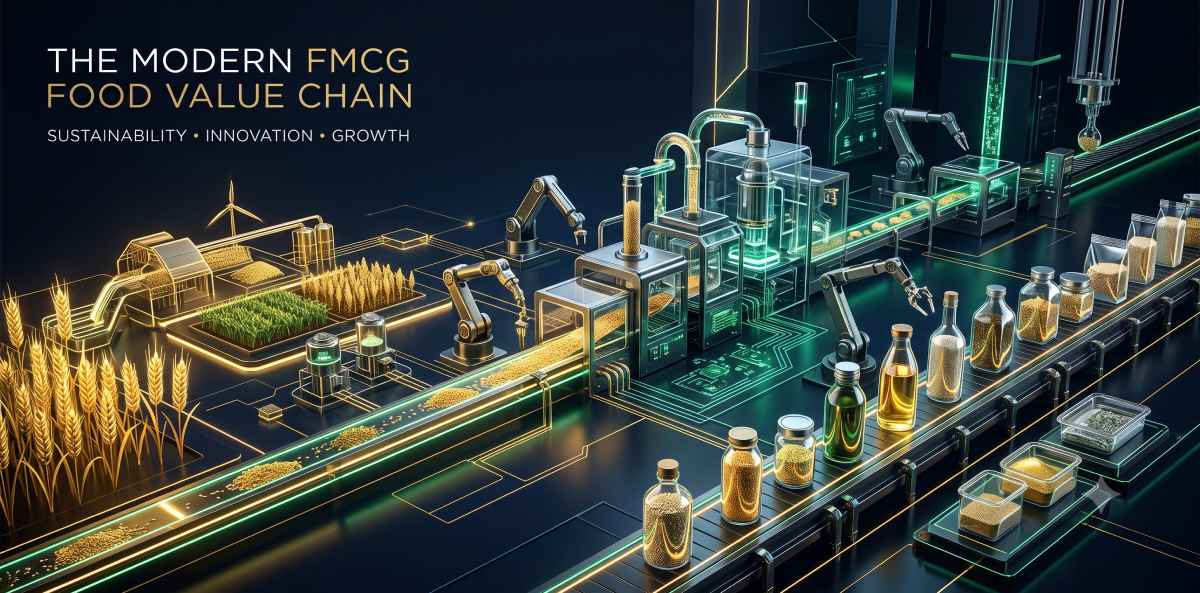
The food value chain has fundamentally transitioned from a traditional utility ecosystem into a sophisticated, high-yielding sector for structural investment. As global markets experience profound shifts, a complex intersection of logistics, consumer trends, and geopolitical changes is defining the next generation of food commerce.
Core Growth Verticals in FMCG & Agro-Processing
Long-term expansion within the Fast-Moving Consumer Goods (FMCG) and agro-allied industries is concentrated heavily inside several interconnected pillars:
- Dairy & Clean Ingredients: The demand for traceable, clean-label raw materials and value-added dairy structures is driving significant capital expenditure. Companies are moving away from commodities into proprietary ingredient formulations.
- Agro-Processing & Packaging: Advanced processing techniques minimize raw crop wastage while modern packaging frameworks are evolving rapidly to meet dual demands: extended shelf-life capabilities and environmental sustainability metrics.
- Cold Chain Infrastructure: The structural backbone of the modern value chain is temperature-controlled logistics. Developing zero-break cold chains remains a critical priority to sustain high-quality delivery across long distances.
- Retail Networks & Food Tech: Digital demand aggregation, automated predictive warehousing, and next-generation direct-to-consumer food technology applications are transforming how products scale from regional production lines to end consumers.
Global Geopolitics and Emerging Export Paradigms
The international food trade landscape is being actively rewritten by systemic changes outside the agricultural sector.
The Post-Oil Diversification Strategy
Energy supply shifts and macro oil market realignments have forced global trade hubs to aggressively diversify their import-export partnerships. Food security has risen to a national defense level priority, opening up stable, highly profitable export corridors for advanced agricultural producers.
The Impact of Regional Conflicts
Recent global micro and macro conflicts have disrupted historical agricultural supply loops, blocking traditional shipping paths and forcing trade lane updates. These constraints present a direct growth opening for adaptive markets capable of maintaining production integrity and supply continuity. Importers globally are actively diversifying their supply risks away from legacy hubs, positioning well-capitalized Indian systems as critical alternative suppliers to international markets.